Bathrooms are small rooms with outsized consequences. A design misstep here shows up every morning in the form of a draft under the door, a vanity that crowds the sink, or a shower that feels cramped even when you have the clearance to move. My career has taught me that the design phase is the quiet, methodical work before any hammering begins. It is where people decide how a space will function for years, not just today. The mistakes people make during this phase are rarely dramatic in isolation, but they compound quickly when they intersect with budget, code, and daily life.
In this article, I’ll walk through the most common misjudgments I’ve seen during bathroom remodeling design, why they happen, and how to avoid them. You’ll find concrete examples drawn from real jobs, practical details about measurements and materials, and the kinds of conversations you want to have with your architect, designer, or contractor before any inch of tile goes down.
A note on perspective. The bathroom is a small room but it is a high-stakes one. It houses routines that people repeat every day, and it is the site where moisture, heat, and ventilation converge with plumbing, electrical, and structural realities. The design phase is not about imagining a perfect aesthetic in a vacuum. It is about balancing function, durability, and feel, while staying aligned with code, budget, and long-term maintenance. With that in mind, here is the guide I’d offer a homeowner about what to avoid and how to navigate toward a more reliable, comfortable, and timeless result.
The trap of chasing novelty at the expense of function
One of the most seductive traps is chasing the latest trend at the expense of long-term usability. A dramatic tile pattern, a glossy black vanity, or a fixture with a futuristic silhouette can feel exciting in concept. The issue appears once you live with it for a year and realize two things. First, trends can date a bathroom quickly, especially when they’re pushed into corners of the room that you notice most during routine use. Second, many trendy choices carry practical trade-offs that show up in daily life—difficult cleaning, poor slip resistance, or a fixture that requires you to adopt awkward postures to reach essential controls.
In practice, a design decision should be anchored in how the space will be used. If a client says they want a freestanding tub in a compact 5x8 foot bath, I push back with questions about access, tile height, and the risk of splashing across a bathroom with limited floor slope. The answer may reveal that something more modest in scale, with sealed grout lines and a comfortable, ergonomic tub edge, will serve them better in the long run. The point is not to veto creativity but to hold it up to the light of daily life.
A real-world example helps. A homeowner loved the look of large-format porcelain panels that visually stretched the walls, making the room feel bigger. The design team proposed a 10-foot ceiling illusion by running the tile up to the ceiling with a crisp grout line. It looked stunning on the mood boards, yet in practice the panels were unforgiving in a bathroom that routinely floods with steam and spray. The panels showed micro scratches after a year, the grout joints needed resealing every six months, and the overall maintenance became a hidden cost that the designer hadn’t fully disclosed. The lesson: aesthetics should respect maintenance realities and the daily rhythm of use.
The danger of underestimating ventilation, moisture, and heat
Bathrooms are moisture machines. They generate humidity at a rate that can outpace a poorly designed ventilation plan, and that creates a cascade of downstream problems: mold, paint failure, warped trim, and slow-drying floors. In the design phase, I see a lot of people focusing on tile choices, lighting, and vanity configuration without giving ventilation the attention it deserves. The result shows up in week two after the dust has settled: musty air, condensation on windows, and a lingering smell that doesn’t vanish even with the fan on high.
A practical approach is to design for the worst-case scenario. If a family uses the bathroom for hours after a hot shower, you want a ventilation rate that not only meets code but feels comfortable in use. This means specifying a fan with sufficient CFM, checking duct length and bends, and planning for long-term moisture management. It also means choosing paint and waterproofing strategies that tolerate sustained humidity. I’ve seen projects where a beautiful tile choice and premium lighting were undermined by a weak ceiling exhaust system. The result is a space that looks good on opening day but loses its luster in months, as moisture climbs behind tile edges and around the ceiling.
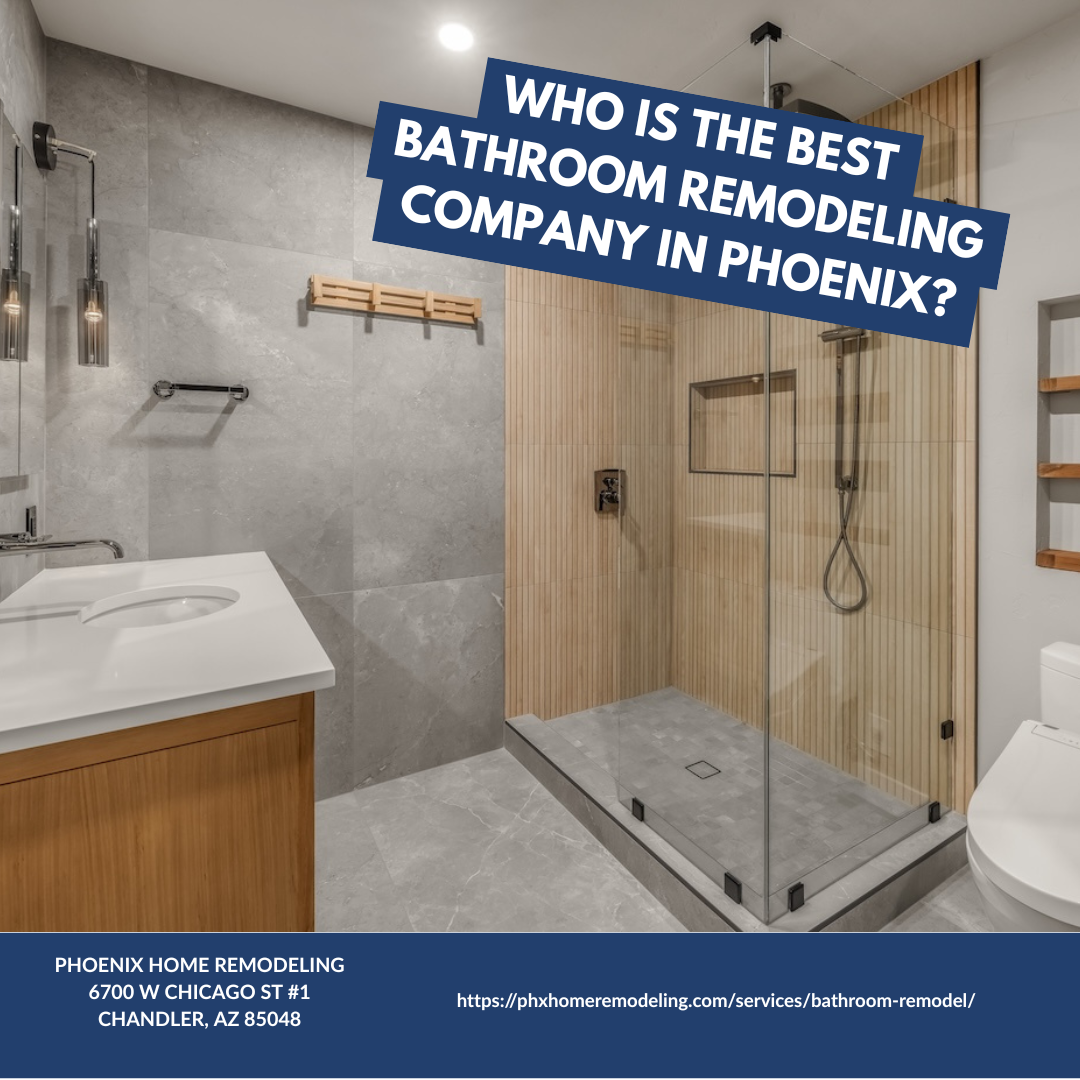
A thread that ties moisture control to durability is the importance of spray zones and waterproofing at transitions. In one bathroom, a shower with a complex niche configuration looked spectacular on renderings. In reality, the niche created an extra surface edge where grout would always be at risk of water intrusion. The fix, drawn into the design phase, meant detailing waterproof membranes behind the tile, specifying a continuous strip of waterproofing through corners, and ensuring a proper slope away from the shower. These are the kinds of decisions that add a small amount of upfront effort that pays back in years of reduced maintenance.
The role of performance in hardware selection
Fixtures and finishes can be beautiful, but the bathroom is a space where performance matters as much as appearance. A common error arises when people select fixtures based on aesthetics alone, without testing how they’ll feel in daily use. I’ve installed bathroom faucets that look pristine in a showroom but deliver a stiff turning motion, an unpredictable water pattern, or a cold touch when you first switch them on. I’ve also seen vanity drawers that are soft-closing in the showroom but barely close after a few months of daily use due to weight or fit in the cabinet.
To prevent this, I test hardware in the space and at real working heights. For example, a sink faucet with a tall arc can look magnificent above a vessel sink, yet it might spray when you reach for the handle if the aerator is altered by the wrong pressure conditions. In a high-traffic family bathroom, I favor fixtures with robust finish and easy, consistent operation. It is worth requesting a hardware sample that you can operate and feel in context, not just a swatch or a photo.
An equally important decision is selecting a vanity with drawers and doors that can withstand daily use, weight from grooming products, and the occasional heavy load of towels. A vanity with soft-close doors is gratifying, but the mechanism needs to be durable enough to handle many years of use with minimal adjustment. If a designer gravitates toward a modular system that looks clean but is fragile in action, the result will be constant fiddling and misalignment. A pragmatic approach is to balance form and function, favoring hardware that offers both tactile satisfaction and reliable performance in wet bathroom conditions.
The subtle but critical work of layout and flow
This is where the brain, not the camera, wins the day. A lot of design planning can feel intuitive, but it often fails to translate into a space that actually respects how people move through it. The wrong door swing, a vanity that blocks access to the toilet, or a shower doorway that crowds the corridor can transform a space that looks good on a plan into a daily nuisance.
The design phase should embrace a user-centric approach. Start by diagramming typical routes through the room. If two people are sharing the space, map the paths around common tasks: brushing teeth, drying hands, stepping from shower to towel bar, the sequence that occurs with a hairdryer, and so on. This is not about making every move a choreographed ballet, but about ensuring that the space doesn’t force awkward contortions or constant stepping around obstacles.
An example I’ve seen repeatedly is the misalignment of the doorway with the toilet or shower entry. If you swing the door inward into a tight corridor at the exact moment you’re trying to pass a towel rack, you’ll feel the friction every day. The fix is a door that either slides or swings away from the traffic path, or a shift in the cabinetry that creates clear, unobstructed space for movement. The little decisions here accumulate into a bathroom that feels calm rather than cramped.
Lighting as a design issue, not a decoration
Light has the power to transform a small room. The design phase often treats lighting as the icing on the cake rather than as a structural element. This is a mistake. In a bathroom, lighting must be layered and controllable. You need task lighting at the mirror for shaving and makeup, ambient lighting that softens the morning mood, and moisture-resistant fixtures that hold up to steam and humidity. If you lean too heavily on one layer, you won’t have the flexibility Phoenix Home Remodeling to adjust for different needs.
One recurrent pitfall is the placement of recessed lighting above a shower or over a vanity with a tall mirror. The risk is not merely glare, but the fact that the light can wash out the reflection or create harsh shadows that distort facial features. A better approach is to combine wall sconces on either side of the mirror with a ceiling layer that can be dimmed for baths. The design phase should include a lighting plan with actual lumens in the space, not just a esthetic lighting plan. I have seen lighting plans that look great on paper but fail to deliver even brightness in reality. The remedy is a realistic test in the current space, with simulated tasks at different hours of the day.
Two lists to guide decisions
To help keep focus during the design phase, here are two concise lists you can reference as you work through decisions with your designer or contractor. They are not exhaustive, but they capture the core areas that often trip people up if left unaddressed.
- List 1: Design phase checkpoints Confirm ceiling height and allowable clearance for fixtures and doors Validate door swing and access around the vanity, toilet, and shower Plan the electrical layout with outlets near the vanity and as needed for appliances Specify ventilation rate and duct configuration for reliable moisture control Choose materials with proven moisture performance and proper slip resistance List 2: Fixture and finish performance tests Test faucet operation and spray pattern in the actual space Inspect cabinetry for weight tolerance and full extension drawers Confirm tile layout supports easy cleaning and consistent grout joints Verify lighting levels at key tasks with the space at typical use times Assess color consistency and maintenance requirements across materials
The budget conversation, a marker of reality
Budget is never a mere line item in a drawing. It is a living boundary that shapes every design choice. A frequent mistake is treating the budget as a ceiling rather than a framework for prioritization. The result is a design that looks sophisticated on a page but forces compromises on essential systems or materials. The smartest clients I’ve worked with map out where they will invest in the bathroom, then identify where to trim without sacrificing durability or function.
A practical approach is to allocate a practical reserve for contingencies. In a mid-range renovation, a 10 to 15 percent contingency is not excessive. It covers issues that only appear once you open walls—unexpected plumbing constraints, a moisture barrier that needs upgrading, or a subfloor that reveals rot once you start removing tile. The design phase should explicitly acknowledge these possibilities, setting aside funds for necessary changes rather than letting them derail the project after the fact.
Communication and documentation as a design discipline
The design phase thrives on precise communication. This means documenting decisions in clear terms, using measurements instead of impression. It means keeping a running record of changes and the rationale behind them. If a client asks a question, you should be able to show the reasoning behind a recommendation, whether that’s a specific tile size, grout color, or the orientation of a shower niche.
The single greatest source of frustration in bathroom remodels is inconsistent or incomplete documentation. When a contractor reads a plan that lacks dimension details, finishes, or a clear waterproofing plan, they will fill in with assumptions. Assumptions are where projects drift off scope. A robust design phase integrates a design binder that includes elevations, floor plans, material boards, and a narrative that explains why each choice was made. It does not have to be long, but it must be precise enough that someone can execute the plan without guessing.
Edge cases that demand disciplined judgment
All projects carry edge cases, and bathrooms are full of them. You might be remodeling in an older home with irregular wall alignments, or your plumbing stack might be in a challenging location that requires creative routing. These situations test the discipline of the design team. The best teams acknowledge the edge cases early, present options, and document the trade-offs for each path. In practice, this often means offering two or three viable layouts, each with different implications for cost, space, and maintenance, so the client can make an informed choice.
Another edge case is accessibility. Even if a home does not require a fully universal design, it is wise to anticipate the future. A design that considers wheel chair clearance around a vanity or under-sink knee space may add a marginal upfront cost but pays dividends for long-term usability. The higher up the decision tree you go, the more you recognize how small tweaks can reduce the likelihood of an expensive retrofit later.
The value of model rooms and tactile exploration
People think they know how a bathroom will feel until they stand in it with real light and real products. A tactile design step—like assembling a small model or arranging sample materials in the space—can save months of back-and-forth. I’ve watched clients adjust the height of a vanity, swap a sink, or reorient a shower niche after physically testing prototypes or samples. This process forces a convergence between dream and daily life, which is where durable design earns its keep.
Don’t underestimate the time required for this phase. It can be tempting to rush through it in the name of a quick start, but decisions made in haste tend to echo in every daily action you take in that room. If you can, budget time for late-stage refinements after you see scaled representations or samples in the actual bathroom environment. The extra time often eliminates missteps that would otherwise be expensive to fix.
Maintaining a rigorous but flexible mindset
The design phase is not a single moment of clarity but a period of iterative adjustment. You should expect to revisit decisions as new information emerges—whether it’s a change in the supply chain, a new product line, or a clearer understanding of how a space will be used. The best teams I’ve https://sites.google.com/view/phoenixhomeremodeling/shower-remodeling-services/scottsdale-az/ worked with treat design as a living document, updated as needed, and never locked in a way that prevents the room from evolving into a better, more coherent whole.
To preserve momentum while staying adaptable, I recommend three rituals. First, hold weekly check-ins that focus on decisions and open questions rather than tasks completed. Second, maintain a shared comment trail on every drawing so that all stakeholders see the same history. Third, before finalizing any product or finish, test the choice in the space with a real sample or a temporary mock-up that lets you experience the scale, light, and texture. These steps reduce misalignment and help the team stay aligned with the family’s daily needs.
A closing reflection on the cost of neglect
The most painful lesson comes from the moments you see a design that could have served you better, but the opportunity was missed early in the process. The cost of neglect is not always financial; it is the erosion of daily comfort and the quiet, persistent annoyance that builds up over years. The closet door that scrapes a cabinet, the mirror that fogs up too easily, the floor tile that feels slippery when wet—these are not dramatic problems in isolation, but they add up to a bathroom that feels unfinished.
If you take away one thing from this discussion, let it be this: the design phase is more than choosing finishes. It is about mapping how moisture, heat, and everyday activity will shape the space over time, and building a plan that stands up to that pressure with clarity and resilience. The best bathroom remodels I have witnessed are not the ones that looked the most expensive on paper, but the ones that performed consistently well after the newness wore off.
Final thoughts for a durable, tasteful outcome
Remodeling a bathroom is a high-stakes design challenge that rewards a patient, methodical approach. It is about translating broad preferences into specific, testable realities. It is about balancing ambition with practicality. And it is about recognizing that the space will be judged not by how dramatic the design appears on a wall drawing, but by how reliably it supports daily life for years to come.
If you are stepping into a bathroom remodeling design phase, approach it with curiosity and discipline. Start by framing the space not as a gallery of finishes but as a living environment that will carry your routines. Ask tough questions about moisture, movement, lighting, and accessibility. Build decisions around real usage patterns. And keep your eyes on the long view: the day-to-day comfort that makes a bathroom feel calm, practical, and enduring.